The 13 Best Foods in France That One Must Try
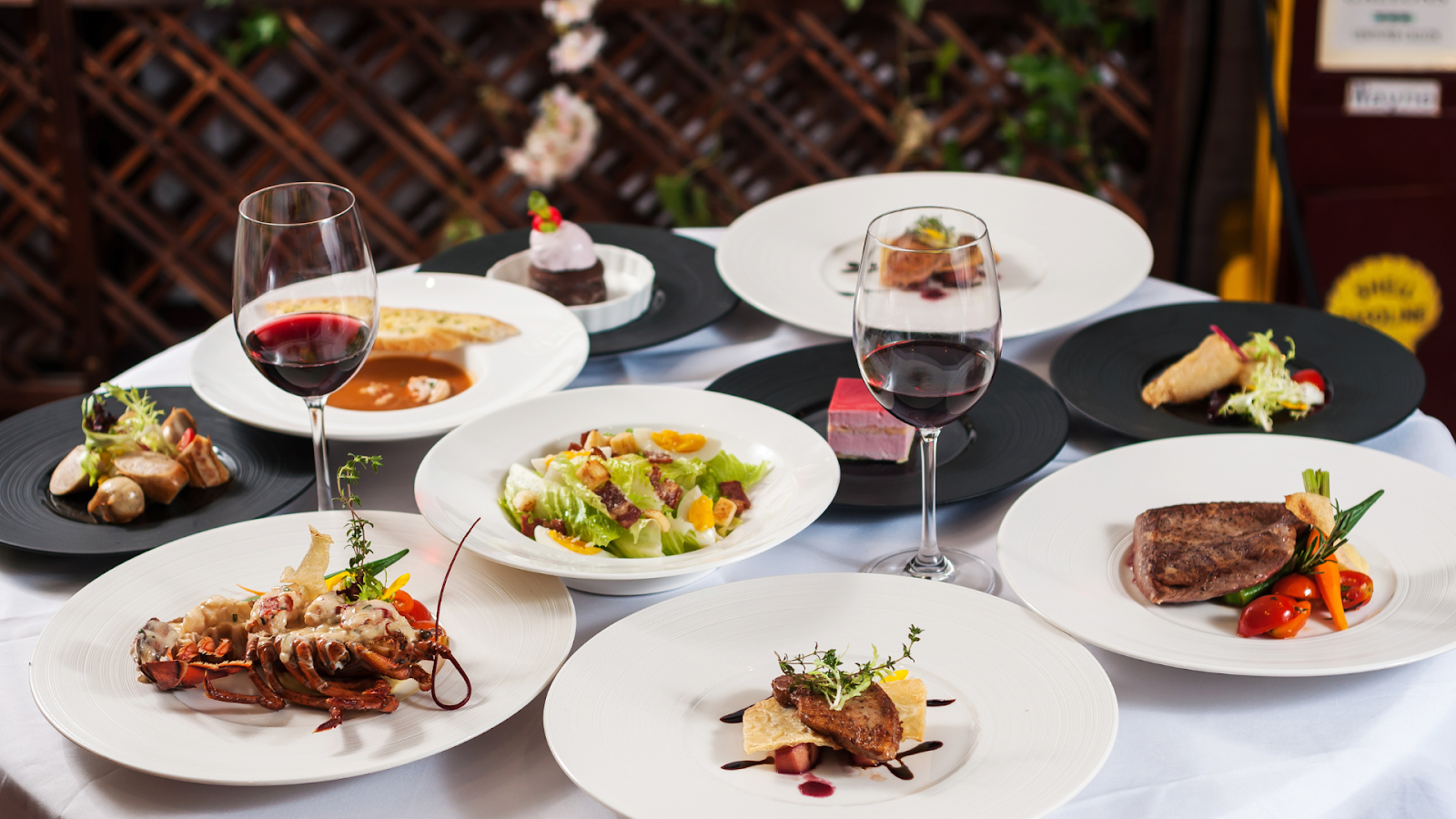
Picture yourself on a Paris street corner before sunrise. That aroma? Fresh croissants, still warm, their buttery fragrance spilling from every boulangerie within blocks. French cuisine transcends mere sustenance,it’s practically a religious experience, recognized by UNESCO for its cultural significance. Here’s something fascinating: even as inflation squeezes budgets worldwide, consumers willingly pay premium prices when innovation delivers health benefits. According to Tastewise data, 70.76% prioritize innovation over cost for wellness-focused products. Throughout this guide, you’ll uncover must-try foods France serves across wildly different landscapes,Mediterranean coastlines, Alpine peaks, rolling vineyards,steering you toward genuine culinary moments instead of overpriced tourist gimmicks.
The Iconic French Classics Must-Try Foods France Travelers Love
These represent the backbone of French gastronomy. You’ll spot them everywhere from neighborhood bistros to establishments holding Michelin stars. They’re childhood memories for locals and essential experiences for anyone visiting.
1. Croissants – The Buttery Morning Ritual
Here’s insider knowledge: when croissants sit straight, they contain real butter; curved shapes signal margarine substitutes. This distinction genuinely matters. Authentic croissants explode into flaky shards at first bite, exposing those distinctive honeycomb layers within. Top bakeries run out before noon hits, so early mornings serve you best.
2. Coq au Vin – Burgundy’s Wine-Braised Chicken
Old roosters, too chewy for conventional cooking, become impossibly tender through prolonged wine-braising. Burgundy residents claim ownership,and you know what? They’ve earned that right. Contemporary chefs introduce variations, yet the essence persists: chicken, wine, mushrooms, and patience.
3. Boeuf Bourguignon – The Ultimate Comfort Dish
Julia Child introduced Americans to this marvel, though French home cooks perfected it across generations. Beef practically dissolves against your palate following extended red wine simmering. High-end restaurants offer polished versions; grandmothers make it rougher around the edges,both approaches succeed spectacularly.
Coastal Delicacies: French Seafood and Maritime Treasures
With 3,427 kilometers of coastline, France commands some of Europe’s most spectacular seafood. Mediterranean harbors and Atlantic fishing villages each contribute distinct personalities to ocean-fresh ingredients.
Timing your seafood adventure properly demands solid internet connectivity for tracking down daily catches. While exploring France’s maritime regions, dependable online access helps you locate those authentic fishermen’s restaurants where actual residents eat, and an esim for france keeps you connected without the hassle of WiFi hunting or brutal roaming fees, letting you snag last-minute reservations at that incredible bouillabaisse restaurant trending on Instagram.
4. Bouillabaisse – Marseille’s Legendary Fish Stew
Marseille doesn’t mess around with this signature creation,legitimate preparations require four specific Mediterranean fish varieties. Tourists shell out exorbitant amounts, yet locals identify which waterfront establishments deliver authenticity. That saffron-laced broth? It arrives separate from the fish, always, never pre-mixed.
5. Moules Marinières – Classic Mussels in White Wine
Normandy and Brittany maintain an ongoing rivalry over superiority here. Normandy incorporates cream; Brittany embraces simplicity with white wine, shallots, and parsley exclusively. Regardless of allegiance, you’re receiving fat mussels swimming in fragrant broth that absolutely requires crusty bread for proper enjoyment.
Cheese Paradise: Essential French Fromage Experiences
France produces over 400 distinct cheese varieties, each one narrating tales of particular terroirs and aging processes. You won’t sample everything, but these four exemplify France’s cheese-making genius.
6. Camembert de Normandie – The Creamy Icon
Seek out AOC certification,that label guarantees the real thing. Properly ripened Camembert yields slightly when you apply gentle pressure. Match it with Calvados or crisp white wine, and suddenly you’ve experienced Normandy’s essence through three simple elements.
7. Roquefort – The King of Blue Cheeses
Those striking blue-green marbling patterns originate from the southern France caves where particular molds flourish naturally. Newcomers sometimes recoil from its intensity, yet nothing compares to genuine Roquefort scattered across salad greens or slathered on toasted bread. Sharp, tangy character develops across months of meticulous cave maturation.
8. Comté – The Alps’ Nutty Treasure
Aging radically transforms Comté’s personality. Younger wheels taste gentle and smooth, whereas 24-month specimens develop crystalline crunch and profound nutty depths. Quality fromageries let you sample multiple ages simultaneously,it’s genuinely mind-opening.
Regional Specialties: Top Dishes France’s Provinces Offer
French provinces protect their culinary legacies aggressively. These provincial top dishes France creates demonstrate how landscape influences taste, spanning mountain braises to Mediterranean street fare.
9. Cassoulet – Languedoc’s Hearty Bean Stew
Toulouse, Carcassonne, and Castelnaudary all insist they invented the definitive recipe. Those variations mean everything to residents,duck confit versus lamb, sausage styles, bean selections. For outsiders, any legitimate cassoulet provides comforting satisfaction earned through marathon cooking sessions. Peasant cooking elevated to masterpiece status.
10. Choucroute Garnie – Alsace’s Sauerkraut Feast
German heritage reveals itself unmistakably here. Expect enormous platters heaped with sauerkraut, various sausages, assorted pork pieces, potatoes galore. Nobody calls it subtle or elegant,it’s substantial, filling, absolutely ideal following winter strolls through Strasbourg’s Christmas market stalls. Authentic winstubs serve quantities capable of satisfying entire families.
11. Socca – Nice’s Chickpea Flour Pancake
Vendors throughout Nice’s old quarter cook these oversized chickpea pancakes on outdoor griddles constantly. Street food perfection,crispy perimeter, silky interior, seasoned modestly with black pepper alone. Grab yours piping hot, fold it over, devour while exploring tight alleyways. That’s authentic consumption.
Meat and Game: Traditional French Food for Carnivores
French meat traditions expose its farming roots. These methods showcase traditional French food approaches honed across centuries, covering preservation strategies through sauce-building expertise.
12. Duck Confit – Gascony’s Preserved Delicacy
Initially developed for preservation, confit involves salt-curing duck legs before slow-cooking them submerged in their fat. The outcome? Ridiculously tender meat beneath skin that crisps and shatters magnificently. Southwest France excels here, especially around Périgueux and Toulouse where ducks vastly outnumber visitors.
13. Andouillette – The Adventurous Tripe Sausage
This separates bold eaters from timid ones instantly. When executed correctly, these tripe sausages receive AAAAA certification, though their powerful flavor alienates many diners. Here’s something notable: 3.46% of restaurants currently feature offal-based preparations on menus, with “mini” serving sizes becoming the fastest-growing consumer trend. Feeling courageous? Order it grilled alongside mustard sauce,just avoid investigating ingredients too thoroughly beforehand.
Practical Tips for Your French Food Journey
Strategic planning becomes crucial when navigating France’s gastronomic terrain. Seasonal timing affects everything,bouillabaisse peaks during summer, cassoulet dominates winter. Markets provide remarkable value against restaurants, especially regarding cheeses and charcuterie selections. Expect €15-25 for relaxed bistro dining, €50-100 at nicer establishments, €200+ for Michelin territory.
Grasping meal schedules prevents frustration. Lunch operates 12:00-14:00, dinner spans 19:00-22:00. Appearing outside these parameters means encountering shuttered kitchens. Service charges come included on French bills, although leaving spare change demonstrates appreciation. Don’t obsess over flawless French,most servers around tourist zones speak English adequately, and attempting the language matters more than achieving fluency.
Your Questions About the Best Food in France Answered
What’s considered the most famous traditional food in France?
Baguettes, croissants, and cheese likely dominate most rankings, though preparations like boeuf bourguignon, coq au vin, and bouillabaisse epitomize traditional French food at peak expression. Regional creations equally matter,cassoulet throughout Languedoc, choucroute across Alsace.
When’s the best time to experience French cuisine?
Autumn delivers harvest season featuring fresh game, wild mushrooms, newly released wines. Spring produces asparagus and strawberries. Summer highlights coastal seafood. Winter suits robust stews perfectly. Truthfully, each season offers something extraordinary throughout France’s varied territories.
How much should I budget daily for food in France?
Plan €30-50 daily covering market purchases and informal meals, €75-100 for proper restaurant dining, or €150+ pursuing fine gastronomy. Street options like socca or crepes run €5-8. Wine typically adds €20-40 to restaurant tabs.
Final Thoughts on France’s Culinary Heritage
French gastronomy extends dramatically beyond stereotypical tourist destinations serving overpriced disappointments. From butter-saturated croissants through controversial offal dishes, best food in France encompasses breathtaking diversity across regions and customs. Real enchantment occurs when you abandon safety zones,sampling that peculiar-looking cheese, requesting dishes you cannot pronounce, or trailing locals toward their cherished hole-in-the-wall bistros. Each meal communicates narratives of terroir, tradition, evolution. Begin mapping your expedition through France’s gastronomic landscape immediately, because merely reading about cassoulet cannot replicate actually tasting it throughout Toulouse. Your palate will absolutely thank you.