Homeowners Guide to Planning a Remodel in Lafayette CA
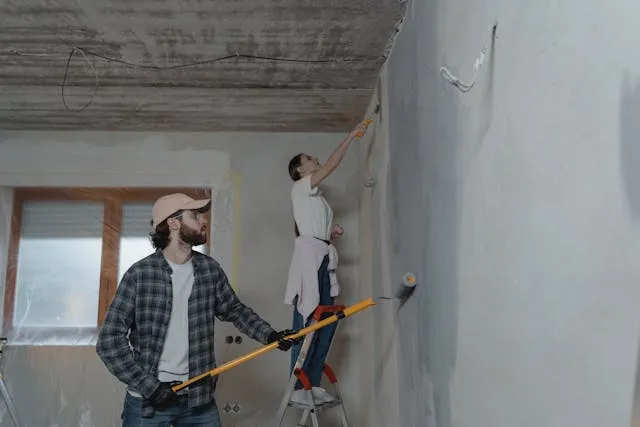
Lafayette, nestled in the heart of Contra Costa County, represents a unique blend of suburban charm and architectural diversity. Homeowners in this picturesque California community often find themselves contemplating home remodeling projects that not only enhance their living spaces but also increase property value. Remodeling in Lafayette requires careful planning, local knowledge, and a strategic approach tailored to the region’s specific architectural landscape and building regulations. The process can seem overwhelming, but with the right information and preparation, homeowners can transform their properties into dream spaces that reflect both personal style and local aesthetic sensibilities. Understanding the intricacies of local building codes, selecting appropriate contractors, and developing a comprehensive plan are critical steps in ensuring a successful home renovation project in this vibrant East Bay community.
Also Read: Is Buying Instagram Likes Worth It? The Truth You Need Now
What are Local Building Codes and Permits in Lafayette, CA
Navigating the complex world of building permits in Lafayette demands meticulous attention to detail and a thorough understanding of local municipal requirements. The City of Lafayette maintains stringent building regulations designed to preserve the community’s architectural integrity and ensure structural safety. Homeowners must submit detailed renovation plans to the city’s Planning and Building Department for comprehensive review before commencing any significant home improvement project. This process typically involves submitting architectural drawings, demonstrating compliance with zoning restrictions, and providing detailed documentation of proposed modifications. Each permit application requires careful preparation, with review times ranging from two to six weeks depending on project complexity. Lafayette’s building codes specifically address seismic retrofitting, energy efficiency standards, and preservation of neighborhood architectural character, reflecting the region’s commitment to sustainable and responsible development.
Choosing the Right Type of Remodel for Your Home
Selecting an appropriate remodeling approach requires careful consideration of your home’s existing structure, your lifestyle needs, and long-term investment potential. According to Red, White and Blue Construction, Lafayette’s diverse housing stock, ranging from mid-century ranch styles to contemporary designs, presents unique opportunities and challenges for homeowners. Kitchen and bathroom renovations consistently offer the highest return on investment, typically recouping between 60-80% of project costs during resale. Whole-house remodels may be more suitable for older homes requiring significant updates to meet modern living standards. Energy-efficient upgrades have become particularly popular, with many Lafayette homeowners integrating solar panels, improved insulation, and smart home technologies. Structural modifications should align with neighborhood architectural patterns, maintaining cohesiveness while addressing individual functional requirements. Professional design consultations can help homeowners identify the most strategic renovation approaches.
Setting a Realistic Remodeling Budget and Timeline
Developing a comprehensive budget represents a critical initial step in any home remodeling project. Lafayette homeowners should anticipate allocating approximately 10-20% of their property’s total value for substantial renovations. Careful financial planning involves obtaining multiple contractor estimates, establishing contingency funds for unexpected expenses, and understanding potential financing options. Local banks and credit unions in Contra Costa County often provide specialized home improvement loan programs with competitive interest rates. Realistic timelines typically range from three to nine months, depending on project scope and complexity. Factors influencing duration include permit processing, material availability, contractor schedules, and potential structural challenges. Homeowners should build flexibility into their plans, expecting potential delays from supply chain disruptions or unexpected structural discoveries during demolition phases.
Working With a Licensed General Contractor in Contra Costa County
Selecting a reputable general contractor represents a pivotal decision in any home remodeling venture. In Contra Costa County, contractors must hold valid state licensing, carry comprehensive insurance, and maintain positive standing with the Contractors State License Board. Homeowners should conduct thorough background investigations, requesting references, examining past project portfolios, and verifying credentials. Personal recommendations from Lafayette community networks can provide valuable insights into contractor reliability and performance. Written contracts should explicitly outline project scope, materials specifications, payment schedules, and warranty provisions. Effective communication and clear expectations help mitigate potential misunderstandings during the renovation process. Experienced local contractors understand Lafayette’s specific building regulations and can navigate permit processes more efficiently.
What to Decide Before Construction Begins
Material selection significantly impacts both aesthetic appeal and long-term durability of home renovations. Lafayette’s Mediterranean climate and proximity to wildfire-prone regions necessitate careful material choices that balance beauty with functionality. Sustainable, locally sourced materials have gained considerable popularity, with homeowners prioritizing eco-friendly options that reduce environmental impact. Ceramic tiles, recycled glass countertops, and responsibly harvested wood represent trending selections. Consultation with design professionals can help homeowners make informed decisions aligned with personal style preferences and practical considerations. Color palettes reflecting Lafayette’s natural landscape – featuring earth tones, soft greens, and warm neutrals – create harmonious interior environments. Advanced technology now allows for virtual design consultations and 3D rendering, enabling more precise visualization of potential renovation outcomes.
How the Home Remodeling Process Typically Unfolds
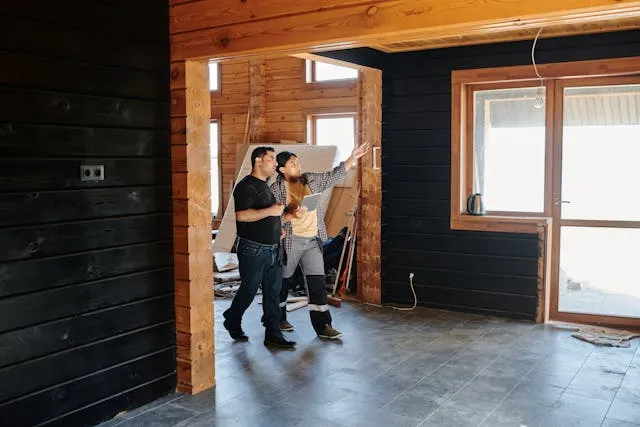
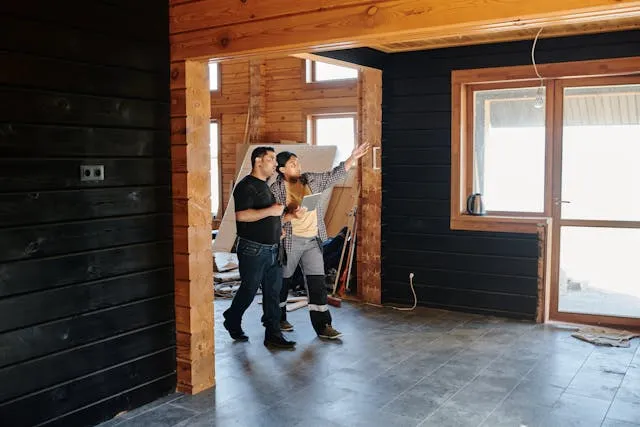
The home remodeling journey follows a structured progression requiring coordination between multiple professional disciplines. Initial phases involve comprehensive property assessment, precise measurements, and detailed planning. Demolition represents a critical transition point, often revealing unexpected structural conditions requiring adaptive strategies. Rough construction work encompasses framing, electrical, and plumbing modifications, establishing foundational infrastructure for aesthetic improvements. Finishing stages focus on installing selected materials, implementing design elements, and conducting rigorous quality control inspections. Professional project management ensures systematic progression, minimizing potential disruptions and maintaining established timelines. Regular communication between homeowners and contractors facilitates smooth implementation and allows for real-time adjustments.
Common Remodeling Challenges in Older Lafayette Homes
Older homes in Lafayette frequently present unique renovation challenges stemming from historical construction methods and aging infrastructure. Potential issues include outdated electrical systems, insufficient insulation, potential asbestos or lead paint presence, and structural vulnerabilities. Seismic retrofitting represents a critical consideration, given California’s geological instability. Professional assessments can identify potential complications before they escalate into significant problems. Experienced contractors specializing in historic home renovations understand techniques for preserving architectural character while implementing modern upgrades. Budget allocation for unexpected repairs and adaptive solutions becomes essential in managing potential complications effectively.
Preparing Your Home and Family for the Remodeling Phase
Successful home renovations require comprehensive preparation extending beyond physical construction considerations. Establishing temporary living arrangements, protecting valuable belongings, and maintaining clear communication channels with contractors minimize potential stress. Families should develop contingency plans for potential disruptions, including alternative cooking and bathing facilities during extensive renovations. Creating designated storage areas for construction materials and establishing clear boundaries within the property help maintain organization. Open dialogue among family members about expected challenges and potential inconveniences promotes collective understanding and patience throughout the renovation process.
Final Thoughts
- Thoroughly research local building codes and permit requirements
- Develop a comprehensive, flexible budget with contingency funds
- Select licensed contractors with proven local experience
- Prioritize sustainable, climate-appropriate material selections
- Maintain open communication throughout the renovation process
- Plan for potential unexpected challenges and disruptions
- Consider long-term property value and functional improvements
- Integrate energy-efficient technologies and design elements
- Preserve architectural integrity of your Lafayette home
- Document all aspects of the renovation for future reference