Building Confidence in the Kitchen: How Cookbooks Empower Young Chefs
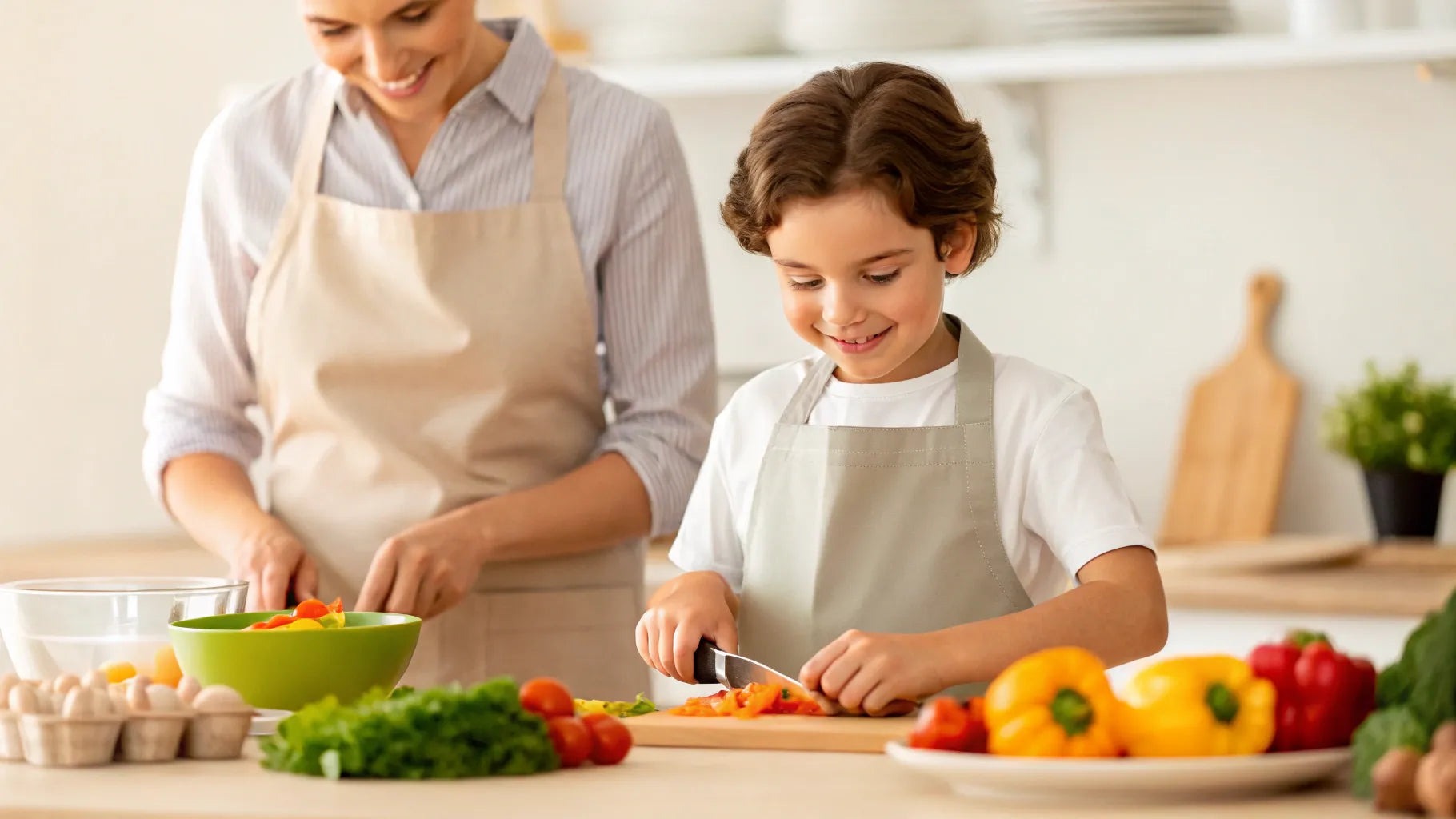
There’s something magical about watching a child’s face light up when they successfully flip their first pancake or frost their own cupcakes. That moment of pride, that spark of accomplishment, it’s about so much more than food. Cooking with children is one of the most powerful ways to build their confidence, teach them independence, and create memories that last a lifetime.
The Connection Between Cooking and Confidence
When children learn to cook, they’re developing far more than culinary skills. They’re learning to follow instructions, solve problems, and see a project through from start to finish. Each successful dish becomes a tangible achievement they can taste, share, and feel proud of. Unlike many childhood activities where results are abstract or take time to materialize, cooking offers immediate gratification and visible results.
Research from child development experts consistently shows that involving children in meal preparation boosts their self-esteem and willingness to try new foods. When kids have a hand in creating something, they develop ownership and pride in the outcome. The right cookbooks make this process accessible and enjoyable, breaking down complex tasks into manageable steps that young chefs can master at their own pace.
Why the Right Resources Matter
Not all cooking instruction is created equal when it comes to children. Adult cookbooks can overwhelm young learners with complicated techniques, unfamiliar ingredients, and dense text. Children need resources specifically designed with their developmental stages in mind—clear visuals, simple language, and recipes that match their skill levels and attention spans.
Quality children’s cooking resources feature colorful photographs or illustrations that guide kids through each step. They use encouraging language that frames mistakes as learning opportunities rather than failures. The best ones also include helpful tips about kitchen safety, ingredient substitutions, and ways to customize recipes, empowering children to make decisions and express creativity.
Starting Simple: The Foundation of Success
Building confidence in young chefs begins with choosing age-appropriate recipes that set them up for success. For preschoolers and early elementary students, this might mean no-bake recipes, simple mixing tasks, or decorating pre-made items. As children grow and develop fine motor skills, they can graduate to measuring ingredients, using child-safe knives, and operating appliances under supervision.
The progression matters tremendously. A child who struggles with an overly complex recipe may become discouraged and resist future cooking attempts. Conversely, a child who masters simple recipes will eagerly seek out new challenges. According to the Canadian Paediatric Society, involving children in cooking from an early age helps them develop healthy relationships with food and builds practical life skills they’ll use forever.
The Learning Beyond the Recipe
Cooking naturally incorporates multiple educational elements that support children’s overall development. Math skills come into play through measuring, counting, and understanding fractions. Science concepts emerge when discussing how heat changes ingredients or why yeast makes dough rise. Reading comprehension strengthens as children follow recipe instructions and learn new vocabulary.
For homeschooling families, cooking offers a hands-on learning laboratory that brings textbook concepts to life. A lesson about fractions becomes more meaningful when a child needs to measure half a cup of flour. Geography lessons gain flavor when families explore international cuisines together. Even history comes alive through heritage recipes and discussions about how people cooked in different eras.
Creating a Supportive Kitchen Environment
The physical and emotional environment plays a crucial role in building cooking confidence. Set up your kitchen to be kid-friendly by storing frequently used items within reach, providing a sturdy step stool for counter access, and designating special tools that belong to your young chef. When children have their own apron, mixing bowl, or measuring cups, it signals that their participation is valued and expected.
Equally important is the attitude adults bring to the kitchen. Embrace mess as part of the learning process. Celebrate effort rather than just results. When something doesn’t turn out as planned, model problem-solving by discussing what might have gone wrong and how to adjust next time. This growth mindset approach helps children see challenges as opportunities rather than failures.
Special Considerations and Dietary Needs
Many families navigate food allergies, intolerances, or specific dietary requirements. Teaching children to cook while managing these needs adds an extra layer of complexity but also provides valuable life skills. Children who learn to read labels, understand cross-contamination, and prepare safe meals for themselves gain confidence and independence that extends beyond the kitchen.
Resources designed for special diets help children feel included rather than restricted. When they can prepare treats that meet their dietary needs, they experience the same joy and pride as any young chef. This positive association with food preparation can be especially important for children who may feel different or left out at social gatherings.
The Long-Term Impact
The confidence children build through cooking ripples outward into other areas of their lives. A child who learns they can follow a recipe and create something delicious begins to believe they can tackle other challenges. They develop patience, persistence, and the understanding that valuable skills take practice to master.
Health Canada emphasizes that children who cook are more likely to make healthier food choices and develop lifelong positive eating habits. Beyond nutrition, though, cooking together strengthens family bonds and creates traditions that children will remember and potentially pass on to their own families someday.
Getting Started Today
You don’t need a gourmet kitchen or professional training to start building your child’s cooking confidence. Begin with whatever resources and space you have available. Choose a simple recipe that appeals to your child’s interests. Maybe they love chocolate chip cookies or want to make their own pizza. Let their enthusiasm guide your first projects.
The journey of a thousand meals begins with a single recipe. As you cook together, you’re not just teaching knife skills or baking techniques, you’re showing your child that they’re capable, trusted, and valued. You’re creating a space where mistakes are okay, learning is fun, and accomplishments are celebrated. That’s the real recipe for building confidence in young chefs.