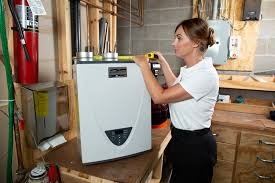
Hot Water Tanks Demystified: How They Work and Why They Matter
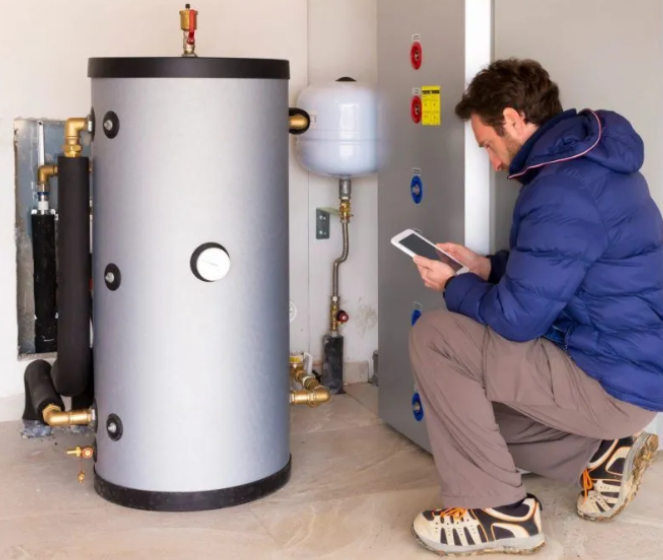
That steamy shower on a cold morning or the hot water needed to get your dishes sparkling clean it’s something we often take for granted. We turn the tap, and hot water appears as if by magic. But what’s happening behind the scenes? The unsung hero of your home is the hot water tank, a simple yet essential appliance that works tirelessly to provide comfort and convenience.
Understanding how your hot water tank works can help you spot potential issues, make smarter decisions about maintenance, and know when it’s time for a replacement. Let’s dive into the mechanics of this household workhorse.
The Inner Workings of a Conventional Hot Water Tank
Most homes are equipped with a conventional storage-tank water heater. It’s essentially a large, insulated steel cylinder that heats and stores a reservoir of water, keeping it ready for you at a moment’s notice. While designs vary slightly between gas and electric models, the core principles are the same.
The Key Components
- The Tank: This insulated container holds anywhere from 20 to 80 gallons of water. The insulation is crucial for efficiency, as it minimizes heat loss and keeps the water hot until you need it.
- Dip Tube: Cold water enters the tank through the dip tube, which directs it to the bottom of the tank to be heated. This prevents it from mixing with the hot water at the top.
- Heating Mechanism: This is the heart of the system. In a gas model, a burner at the bottom heats the water, with exhaust gases vented through a chimney. An electric model uses one or two heating elements submerged inside the tank.
- Thermostat: This is the brain of the operation. It monitors the water temperature and tells the heating mechanism when to turn on to maintain the desired temperature.
- Heat-Out Pipe: Located at the top of the tank, this pipe draws the hottest water from the reservoir and sends it to your faucets and appliances.
- Pressure Relief Valve: A critical safety feature, this valve automatically opens to release pressure if the temperature or pressure inside the tank gets too high.
The process is a continuous cycle. As you use hot water, it’s drawn from the top of the tank. Simultaneously, cold water refills the tank from the bottom, and the thermostat signals the heating mechanism to kick in and bring the new water up to temperature.
Why Professional Installation and Maintenance Matter
Your hot water tank is a vital part of your home’s overall comfort system, which often includes your furnace and air conditioner. Proper setup is not a simple DIY project. For appliances involving gas lines or complex electrical wiring, professional service is essential for safety and efficiency. A skilled technician ensures everything is connected correctly, from the water pipes to the venting system. This is especially true for services like a gas line installation in Hamilton, where errors can have serious consequences.
Regular maintenance is just as important. Over time, sediment can build up at the bottom of the tank, reducing efficiency and potentially damaging the unit. A yearly check-up from a trusted HVAC Hamilton professional can extend the life of your equipment, prevent unexpected breakdowns, and keep it running at peak performance. This proactive approach saves you from the inconvenience of a cold shower and the stress of emergency repairs.
Your Complete Home Comfort Solution
While a reliable hot water tank in Hamilton is crucial, it’s only one piece of the puzzle. Total home comfort depends on an integrated system for heating and cooling in Hamilton. Whether you need an emergency AC repair in Hamilton during a heatwave or a new furnace install in Hamilton before winter arrives, having a go-to expert makes all the difference.
Think of it this way: the same expertise needed for a complex central air installation in Hamilton is what you should look for when servicing your water heater. It’s all interconnected, and a company that understands the full scope of home climate systems can provide superior service.