
Early Signs of a Pest Infestation Every Homeowner Should Know
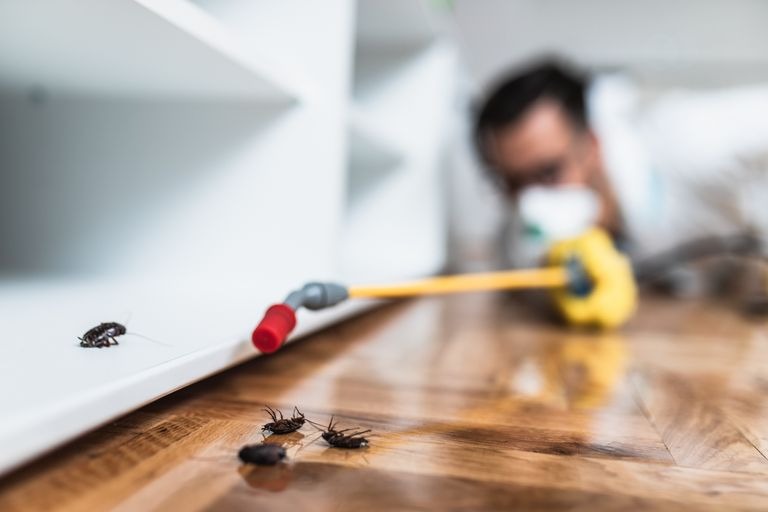
Maintaining a clean and safe home is a top priority for any homeowner. One of the most common threats that often goes unnoticed is a pest infestation. Pests not only cause structural damage but can also contaminate food and pose health risks. Detecting the early signs of pests can save you time, money, and stress.
In this article, we’ll explore the key warning signs of a pest problem and explain how professional pest control in Ottawa can help prevent infestations from taking hold.
1. Unexplained Damage to Wood, Furniture, or Walls
Damage to wooden structures is often an early indicator of pests. Termites and carpenter ants are particularly notorious for targeting wood. Signs to watch for include:
- Hollow-sounding floors, beams, or furniture
- Small holes or grooves in wood surfaces
- Fine sawdust-like material near wooden areas
Even minor damage can escalate quickly, so early intervention is essential. Professional services, including specialized ant removal Ottawa, can address these issues before they worsen.
2. Droppings and Nesting Materials
Rodents, cockroaches, and other pests leave behind droppings or nesting debris. Look for:
- Tiny black or brown droppings along baseboards, cabinets, or pantries
- Shredded paper, fabric, or other materials used for nests
- Stains from urine or other secretions
Spotting these signs early allows homeowners to take immediate action before the infestation spreads.
3. Unusual Odors
Pests often produce distinctive smells that indicate their presence:
- Musty or oily odors from rodents
- Foul odors from decaying insects hidden in walls or attics
- Sweet or fermented smells caused by ant trails
If you notice strange smells in your home, it’s a strong indicator that an inspection is needed.
4. Strange Noises
Pests can make subtle but detectable sounds:
- Scratching or scurrying inside walls, ceilings, or attics (rodents)
- Buzzing near windows or lights (insects like bees or wasps)
- Rustling in floorboards (termites or squirrels)
Listening for these noises, especially at night, can help catch infestations before they grow.
5. Sightings of Pests
Seeing pests in your home is a clear warning sign. Some common examples include:
- Ants marching in lines toward food sources
- Cockroaches in cabinets, bathrooms, or kitchens
- Rodents running along walls, behind appliances, or in attics
Even a single sighting may require intervention from professionals, particularly if the pests are ants or rodents.
6. Food Contamination
Pests are often drawn to stored food. Check for:
- Nibbled packaging or food with small holes
- Powdery residues or webbing in grains, flour, or cereals
- Missing or tampered containers
Food contamination not only wastes groceries but also poses health risks, making early detection essential.
7. Mud Tubes or Trails
Certain pests leave distinct trails that signal their presence:
- Subterranean termites create mud tubes along walls or foundations
- Carpenter ants may leave piles of sawdust near wooden structures
- Ants can leave shiny trails along floors or counters
Spotting these trails early can prevent costly damage and structural problems.
8. Allergies or Bites
Some pests can affect your health directly. Be aware of:
- Red, itchy bites on arms, legs, or neck (bed bugs or fleas)
- Allergic reactions or respiratory issues from cockroach droppings or dust mites
- Itchy patches or skin irritation from ants or spiders
Unexplained symptoms in your family may indicate hidden pest activity.
9. Entry Points and Structural Gaps
Pests often enter homes through small openings. Inspect for:
- Cracks in walls, foundation, or window frames
- Gaps around doors or vents
- Damaged roof shingles or eaves
Sealing these access points is a critical step in preventing infestations.
10. Outdoor Signs
Activity outside your home often predicts indoor problems:
- Ant hills or termite swarms in the yard
- Rodent burrows near foundations
- Wasps, bees, or hornets building nests near entrances
Monitoring the exterior of your home can help prevent pests from moving indoors.
Conclusion
Being aware of the early signs of a pest infestation can save your home, belongings, and family from unnecessary damage. From unusual droppings and strange odors to visible pests and structural issues, noticing these warning signs early makes it much easier to take action.
Promptly addressing pest problems with the help of experienced professionals can prevent minor issues from escalating into major headaches. Staying proactive is the best way to ensure your home remains safe, comfortable, and free from unwanted intruders.Noticing the subtle signs of pests early is key to keeping your home in top condition. From small damages to unusual activity around your house, addressing issues promptly prevents larger problems down the road. Being vigilant today can save time, money, and stress tomorrow.