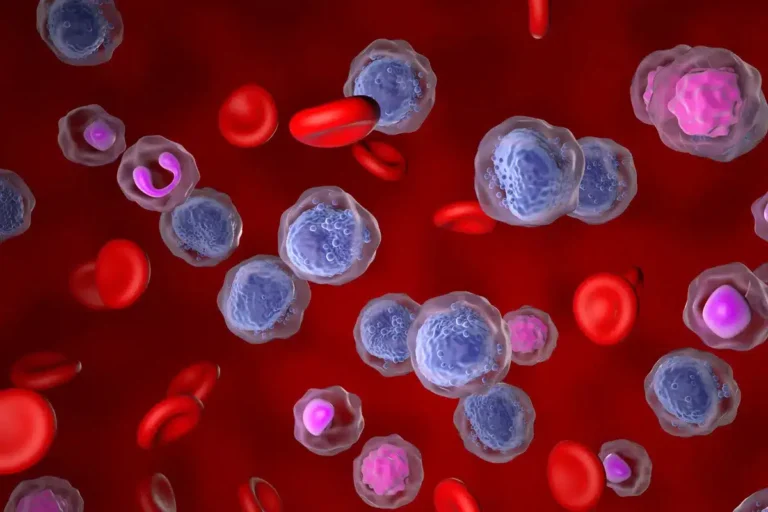
Stem Cell Lymphocytic Leukemia Overview and Definition
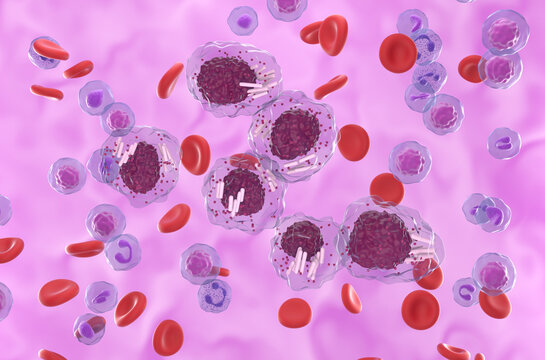
Stem cell lymphocytic leukemia is a complex blood-related cancer that affects the production and function of lymphocytes, a type of white blood cell essential for the immune system. This disease develops when abnormal lymphocytes multiply uncontrollably in the bone marrow and bloodstream, interfering with the body’s ability to fight infections and maintain healthy blood cell levels. Understanding the nature of this condition is crucial for early diagnosis, effective treatment, and long-term management. Medical institutions such as Liv Hospital play a significant role in providing advanced diagnostic and treatment solutions for patients dealing with blood disorders and cancers.
Lymphocytic leukemia can be classified into two major types: acute lymphocytic leukemia (ALL) and chronic lymphocytic leukemia (CLL). The acute form progresses rapidly and is more common in children, while the chronic form develops slowly and is typically seen in adults. Both types originate from lymphoid stem cells in the bone marrow, which normally mature into healthy lymphocytes. When these stem cells mutate, they produce abnormal cells that crowd out normal blood cells, leading to symptoms such as fatigue, frequent infections, anemia, and bleeding disorders.
What Is Stem Cell Lymphocytic Leukemia?
Stem Cell Lymphocytic Leukemia Overview and Definition refers to a medical condition in which malignant changes occur in lymphoid stem cells. These stem cells lose their normal growth control and begin producing large numbers of dysfunctional lymphocytes. Over time, these abnormal cells accumulate in the bone marrow, blood, lymph nodes, spleen, and liver, disrupting normal bodily functions.
The term “stem cell” highlights the origin of the disease at the earliest stage of blood cell development. Since stem cells are responsible for generating all blood cells, any mutation at this level can have widespread effects. This is why lymphocytic leukemia is considered a systemic disease rather than a localized one.
Causes and Risk Factors
The exact cause of stem cell lymphocytic leukemia is not always known, but several factors may increase the risk. Genetic mutations play a central role, either inherited or acquired during a person’s lifetime. Exposure to high levels of radiation, certain chemicals such as benzene, and previous chemotherapy treatments may also raise the likelihood of developing this condition.
Additionally, family history can be a contributing factor, especially in chronic lymphocytic leukemia. People with weakened immune systems or certain genetic syndromes may also face higher risks. However, in many cases, patients develop lymphocytic leukemia without any clear risk factors.
Common Symptoms and Clinical Signs
Symptoms of stem cell lymphocytic leukemia vary depending on whether the condition is acute or chronic. In acute cases, symptoms tend to appear suddenly and progress quickly. These may include persistent fever, unexplained weight loss, night sweats, bone pain, frequent infections, and easy bruising or bleeding.
Chronic lymphocytic leukemia often develops slowly and may remain asymptomatic in its early stages. Many patients are diagnosed during routine blood tests. As the disease progresses, symptoms such as enlarged lymph nodes, fatigue, recurrent infections, and abdominal discomfort due to an enlarged spleen may appear.
Diagnostic Methods
Diagnosing stem cell lymphocytic leukemia requires a combination of laboratory tests and imaging studies. Blood tests typically reveal abnormal levels of white blood cells, red blood cells, and platelets. A bone marrow biopsy is often performed to confirm the diagnosis and determine the extent of abnormal cell growth.
Advanced diagnostic tools such as flow cytometry, cytogenetic analysis, and molecular testing help identify specific genetic abnormalities. These tests are essential for determining the exact type of leukemia and selecting the most appropriate treatment plan.
Treatment Options and Therapies
Treatment for stem cell lymphocytic leukemia depends on several factors, including the type of leukemia, stage of disease, patient age, and overall health. In acute lymphocytic leukemia, aggressive treatment is usually required, often involving chemotherapy, targeted therapy, immunotherapy, and in some cases, stem cell transplantation.
For chronic lymphocytic leukemia, treatment may not be necessary in the early stages. Doctors often recommend active surveillance until symptoms develop. When treatment becomes necessary, options include targeted drugs, monoclonal antibodies, chemotherapy, and immunotherapy. Stem cell transplantation may be considered for high-risk or treatment-resistant cases.
Role of Stem Cell Transplantation
Stem cell transplantation is a critical treatment option for certain patients with lymphocytic leukemia. This procedure involves replacing diseased bone marrow with healthy stem cells, either from the patient (autologous transplant) or a donor (allogeneic transplant). The goal is to restore normal blood cell production and eliminate malignant cells.
Although stem cell transplantation can be highly effective, it also carries risks such as infections, graft-versus-host disease, and organ complications. Therefore, it is typically reserved for patients who do not respond well to standard treatments or who have aggressive disease forms.
Prognosis and Long-Term Outlook
The prognosis of stem cell lymphocytic leukemia varies widely. Acute lymphocytic leukemia has high cure rates in children, especially with early diagnosis and modern treatment protocols. Adult outcomes have also improved significantly due to advances in targeted therapies and transplantation techniques.
Chronic lymphocytic leukemia often has a favorable long-term outlook, with many patients living for years or even decades with proper management. Ongoing research continues to improve survival rates and quality of life through personalized treatment approaches.
Conclusion
Stem cell lymphocytic leukemia is a serious but increasingly manageable condition thanks to modern medical advancements. Early diagnosis, accurate classification, and personalized treatment strategies play a crucial role in improving patient outcomes. With the support of specialized healthcare centers and continuous medical research, individuals affected by this disease can access innovative therapies and comprehensive care. Alongside medical treatment, maintaining overall well-being and a healthy lifestyle is equally important, which is why resources like live and feel can offer valuable guidance on holistic health and wellness.
FAQs
1. What is stem cell lymphocytic leukemia?
Stem cell lymphocytic leukemia is a type of blood cancer that begins in lymphoid stem cells, leading to the uncontrolled production of abnormal lymphocytes that disrupt normal immune and blood functions.
2. What is the difference between ALL and CLL?
ALL (acute lymphocytic leukemia) progresses rapidly and is more common in children, while CLL (chronic lymphocytic leukemia) develops slowly and is usually diagnosed in adults.
3. Is stem cell lymphocytic leukemia curable?
Many cases, especially ALL in children, are highly curable with modern treatments. CLL is often manageable for long periods, though it may not always be completely cured.
4. When is stem cell transplantation needed?
Stem cell transplantation is recommended for patients with aggressive, high-risk, or treatment-resistant leukemia to replace damaged bone marrow with healthy stem cells.
5. Can lifestyle changes help manage leukemia?
While lifestyle changes cannot cure leukemia, healthy habits such as balanced nutrition, regular activity, stress management, and proper medical follow-up can improve overall well-being and treatment outcomes.