
The Benefits of No-Pull Dog Harnesses: Why Your Dog Needs One
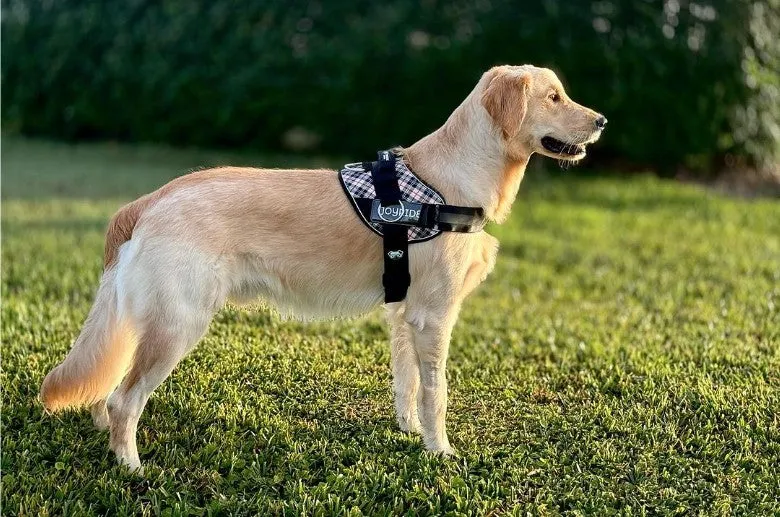
Walking your dog should be the highlight of your day—a time to bond, get fresh air, and explore the neighborhood together. But for many dog owners, it feels more like a battle of wills. If your daily walk involves being dragged down the sidewalk by a furry freight train, you are not alone. Leash pulling is one of the most common complaints among pet parents.
While consistent training is the ultimate solution, having the right equipment makes a massive difference. Enter the no-pull harness. This simple piece of gear has revolutionized dog walking for millions of people. It isn’t just about stopping the pulling; it’s about safety, health, and better communication with your canine companion.
Here is why swapping your standard collar for a no-pull harness might be the best decision you make for your dog.
1. Protecting Your Dog’s Neck and Throat
The most critical benefit of a harness is health-related. When a dog pulls on a standard collar, they are putting immense pressure on their trachea, esophagus, and delicate neck vertebrae.
The Dangers of Collar Strain
If you hear your dog hacking, coughing, or choking while pulling, that is the sound of damage happening. Over time, this pressure can lead to:
- Tracheal Collapse: A serious condition where the windpipe weakens and flattens, making breathing difficult. Small breeds like Yorkies and Chihuahuas are especially prone to this.
- Thyroid Damage: The collar sits right over the thyroid gland. Constant pressure can inflame the gland, potentially leading to thyroid issues.
- Intraocular Pressure: Believe it or not, straining against a collar can increase pressure in the eyes, which is dangerous for breeds prone to glaucoma.
A harness redistributes that force. Instead of focusing all the energy on the neck, a harness spreads it across the chest and shoulders—areas that are much stronger and less vulnerable to injury. By using a harness, you protect your dog’s vital organs while maintaining security.
2. Better Control for the Walker
Have you ever tried to steer a car by grabbing the bumper? That is essentially what it’s like trying to control a strong dog by a neck collar. A harness acts like a steering wheel.
Because a harness wraps around the dog’s torso, you have a center of gravity advantage. If your dog lunges at a squirrel or another dog, you can manage their movement much more easily without needing brute strength. This is especially important for:
- Owners with large, powerful breeds.
- Elderly dog owners or children walking the family pet.
- Walks in crowded urban environments where precise control is necessary for safety.
3. How the “No-Pull” Mechanism Works
Not all harnesses are created equal. A standard back-clip harness is great for comfort, but for a dog that pulls, it can actually make the problem worse by triggering the “opposition reflex.” This is an instinctive response where a dog pushes against pressure—think of a sled dog leaning into a harness to pull a load.
The Front-Clip Advantage
A true no-pull harness typically features a front attachment point (a D-ring located on the dog’s chest). This is the game-changer.
When your dog pulls forward while the leash is attached to their chest, the tension gently steers them sideways and turns them back toward you. It physically prevents them from generating forward momentum. It breaks their line of sight and redirects their attention to you, the handler. It doesn’t hurt them; it just uses physics to make pulling ineffective.
For owners struggling to find a solution that balances control with comfort, the Sovelivee no-pull harness is designed specifically with this front-clip mechanism. It helps correct behavior gently, turning walks from a tug-of-war into a cooperative activity.
4. Preventing Escapes
We have all seen it happen: a dog gets spooked by a loud noise, backs up, slips right out of their collar, and runs loose. Standard collars are surprisingly easy for a panicked dog to escape from, especially if their head is narrower than their neck (like Greyhounds).
A properly fitted harness is much more secure. Because it loops around the body and shoulders, it is incredibly difficult for a dog to back out of it. For rescue dogs who might be skittish or flight risks, a harness provides peace of mind that a collar simply cannot match.
5. Improved Training Communication
Training requires clear communication. If your dog is choking or gasping for air, they are in a state of stress. A stressed dog cannot learn effectively. They are focused on the discomfort, not on your commands.
By removing the physical discomfort of a choking collar, you lower your dog’s arousal levels. A calm, comfortable dog is much more likely to listen to “heel” or “slow down.” The harness becomes a tool for positive reinforcement rather than punishment.
Choosing the Right Harness
When shopping for a harness, look for these key features:
- Adjustability: Dogs come in all shapes. You need multiple adjustment points to get a snug, safe fit.
- Padding: Look for padded straps to prevent chafing behind the legs (armpits).
- Durability: Strong stitching and metal D-rings are essential for safety.
- Dual Clips: ideally, a harness should have both a front clip (for training) and a back clip (for casual walks once the pulling stops).
If you are unsure which style suits your dog best, check this out to browse different options. Seeing the variety of designs can help you visualize what will work for your specific breed and walking style.
Conclusion
Switching to a no-pull harness is one of the quickest, most effective ways to improve your daily walks. It protects your dog’s physical health, gives you better control, and creates a stress-free environment where training can actually flourish.
Remember, the goal is a loose leash and a happy dog. With the right tools, like the no-pull harness, you can put the struggle behind you and get back to enjoying your adventures together. Your shoulders—and your dog’s neck—will thank you.