
Stem Cell Lymphocytic Leukemia Treatment and Procedures
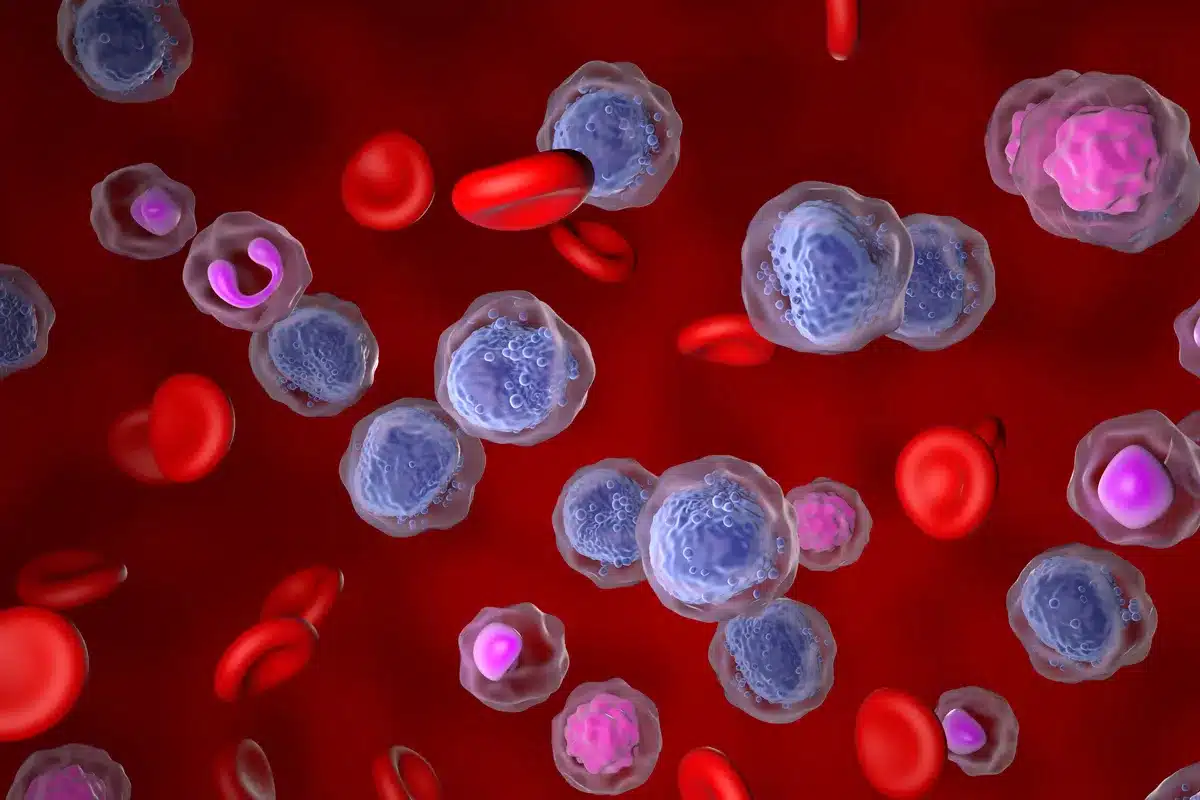
Lymphocytic leukemia is a type of blood cancer that affects the lymphocytes, which are an essential part of the immune system. It primarily exists in two forms: Acute Lymphocytic Leukemia (ALL) and Chronic Lymphocytic Leukemia (CLL). Both conditions involve abnormal production of lymphocytes in the bone marrow, which interferes with the body’s ability to fight infections and produce healthy blood cells. Over the years, advancements in medical science especially stem cell therapy have significantly improved treatment outcomes and patient survival rates.
Hospitals like Liv Hospital are at the forefront of providing advanced diagnostic and treatment solutions for blood disorders, including lymphocytic leukemia. Stem cell-based therapies are now considered one of the most effective options for patients who do not respond well to conventional treatments such as chemotherapy or immunotherapy.
Understanding Lymphocytic Leukemia
Lymphocytic leukemia occurs when the bone marrow produces excessive abnormal lymphocytes. These defective cells crowd out healthy red blood cells, white blood cells, and platelets. As a result, patients may experience symptoms such as fatigue, frequent infections, unexplained weight loss, swollen lymph nodes, fever, and easy bruising or bleeding.
In ALL, the disease progresses rapidly and requires immediate treatment, while CLL develops slowly and may not show symptoms in its early stages. The treatment approach depends on the type, stage, patient’s age, overall health, and genetic factors.
What Is Stem Cell Therapy?
Stem cell therapy, also known as hematopoietic stem cell transplantation (HSCT), involves replacing damaged or diseased bone marrow with healthy stem cells. These stem cells can regenerate healthy blood cells and restore normal immune system function.
In lymphocytic leukemia, stem cell treatment is often recommended when:
- The disease relapses after initial treatment.
- The leukemia is aggressive or high-risk.
- The patient does not respond to standard therapies.
This procedure can be life-saving and offers a potential cure for many patients.
Types of Stem Cell Transplantation
There are two main types of stem cell transplants used in leukemia treatment:
1. Autologous Stem Cell Transplant
In this method, the patient’s own stem cells are collected, stored, and later reintroduced after intensive chemotherapy. This reduces the risk of immune rejection but may carry a risk of reintroducing cancerous cells.
2. Allogeneic Stem Cell Transplant
This involves using stem cells from a compatible donor, usually a sibling or a matched unrelated donor. This approach is more common for lymphocytic leukemia and offers stronger anti-leukemia effects, as the donor’s immune cells can help destroy remaining cancer cells.
Stem Cell Lymphocytic Leukemia Treatment and Procedures
The complete Stem Cell Lymphocytic Leukemia Treatment and Procedures process includes several critical stages to ensure safety and effectiveness.
Step 1: Pre-Transplant Evaluation
Doctors perform a detailed medical assessment, including blood tests, imaging, genetic profiling, and organ function tests. This helps determine whether the patient is fit for transplantation.
Step 2: Conditioning Therapy
High-dose chemotherapy or radiation therapy is administered to destroy cancer cells and suppress the immune system. This prepares the body to accept the new stem cells.
Step 3: Stem Cell Infusion
Healthy stem cells are infused into the bloodstream through an IV line. These cells travel to the bone marrow and begin producing new blood cells.
Step 4: Engraftment and Recovery
Engraftment occurs when the transplanted stem cells start generating healthy blood cells. This phase may take 2–4 weeks, during which the patient is closely monitored for infections or complications.
Step 5: Long-Term Follow-Up
Patients require ongoing monitoring, medications, and lifestyle adjustments to prevent relapse and manage side effects.
Benefits of Stem Cell Treatment
Stem cell therapy offers several advantages for lymphocytic leukemia patients:
- Potential for complete remission or cure
- Restoration of normal blood cell production
- Improved immune system function
- Reduced risk of disease relapse
- Better long-term survival rates
With modern medical facilities and expert care, the success rate of stem cell transplants has improved significantly.
Risks and Possible Complications
Although stem cell therapy is highly effective, it does carry some risks:
- Graft-versus-host disease (GVHD)
- Infections due to weakened immunity
- Organ damage from chemotherapy
- Fatigue and nutritional deficiencies
- Emotional and psychological stress
However, with proper medical supervision, most complications can be managed effectively.
Recovery and Lifestyle After Treatment
Recovery after stem cell transplantation can take several months. Patients are advised to follow a strict routine that includes:
- A balanced, nutrient-rich diet
- Avoiding infections and crowded places
- Regular medical check-ups
- Mental health support
- Light physical activity
A healthy lifestyle plays a crucial role in rebuilding immunity and maintaining long-term well-being.
Conclusion
Stem cell therapy has revolutionized the treatment of lymphocytic leukemia, offering hope to patients who previously had limited options. With advancements in medical technology, personalized treatment plans, and expert healthcare providers, patients can now achieve better outcomes and improved quality of life. From diagnosis to recovery, the structured approach of stem cell transplantation ensures comprehensive care and long-term disease management.
In the final stage of recovery, patients are often encouraged to focus on overall wellness, emotional balance, and healthy living habits. Platforms like live and feel can offer valuable lifestyle and wellness insights that support physical recovery and mental well-being after intensive medical treatments.
FAQs
1. Is stem cell therapy a permanent cure for lymphocytic leukemia?
Stem cell therapy can provide long-term remission and, in many cases, a potential cure. However, results vary depending on the patient’s condition, age, and response to treatment.
2. Who is eligible for stem cell transplantation?
Patients with aggressive, relapsed, or high-risk lymphocytic leukemia are typically considered for stem cell therapy after detailed medical evaluation.
3. How long does recovery take after a stem cell transplant?
Initial recovery may take 2–3 months, but full immune system recovery can take up to a year or more.
4. What is the success rate of stem cell treatment?
Success rates vary but generally range between 60% to 80%, depending on disease type, donor match, and overall health.
5. Are there alternatives to stem cell therapy?
Yes, alternatives include chemotherapy, targeted therapy, immunotherapy, and CAR-T cell therapy, depending on the case.